Costa Rica Adventure
Costa Rica
15 nights
From
£2,129
pp


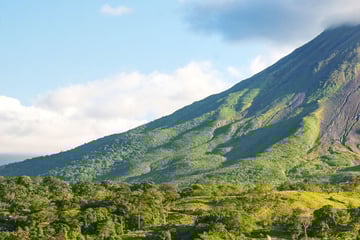
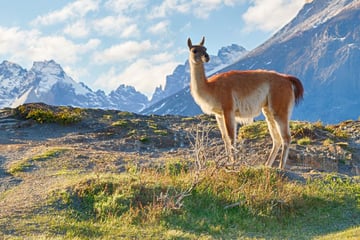

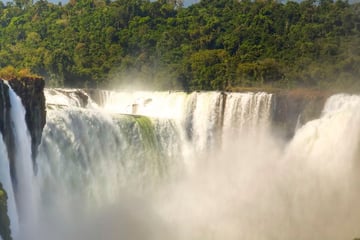
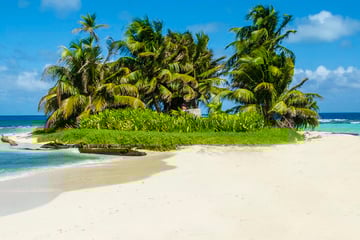
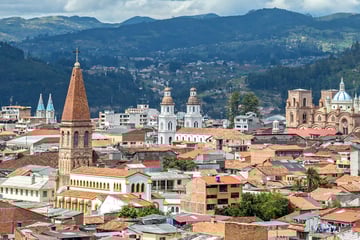
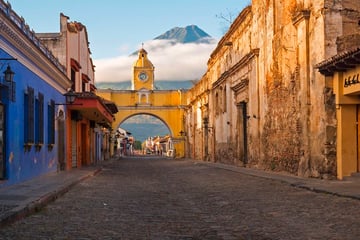
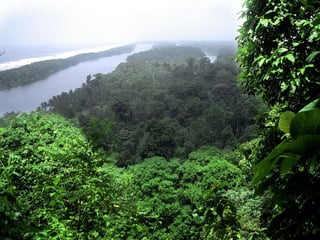
Adventurous souls will find refuge in Central and South America’s breathtaking outdoor playground. The soaring mountains, thick jungles, small hidden beaches and ancient civilisations help to create incredible travel moments, stories that will stun those you tell for years to come.


Latin America is an awe-inspiring portion of the world, home to a dizzying blend of natural attractions, breath-taking landscapes and vibrant cities. Whether you’re seeking dense rainforests, thunderous falls, bustling capitals or blissful beaches, Latin America offers it all.
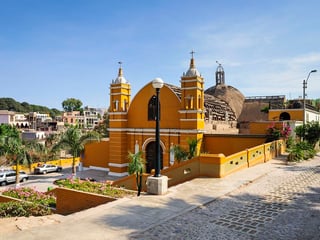
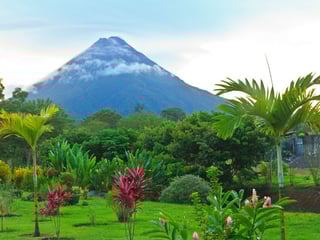
Comprising seven tropical countries, Central America is an exotic paradise that hits your senses with a colourful explosion of sights, sounds and flavours. With a host of Mayan ruins to explore, Central America is a fantastic choice for those seeking culture and history – there is exciting architecture dotted all across this region. Incredibly beautiful, Central America provides the perfect blend of vibrant city life, serene coastal scenery and dense tropical landscapes.
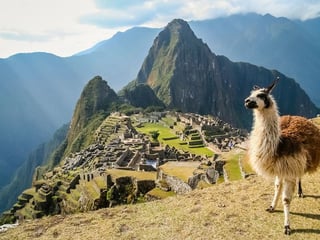
South America boasts incredible natural beauty, friendly people, impressive cities and outrageous contrasting landscapes. The jaw-dropping greenery of the Amazon Rainforest is matched by the breath-taking sight of the Andes. The beautiful ice fields of Patagonia rival the sun-soaked beaches of Rio. And these are just the big names – so much of South America’s real beauty is tucked away, just waiting to be unearthed.
The inviting culture, ancient history and hypnotic nightlife make this a unique holiday destination, where no two days are the same. Home to numerous natural wonders on both land and sea, every inch of Latin America begs to be explored.

We reveal some of the most exciting and eye-popping places where budding photographers can step behind the lens and generate plenty of Instagram envy.
Read more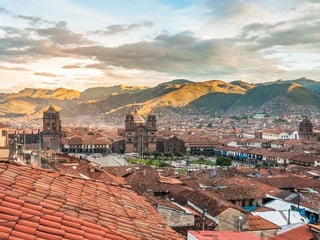
Latin America offers a little of everything, from tropical beaches, jungle and ancient archaeological sites to exotic wildlife, soaring mountains, glaciers and fjords. From Mexico and Costa Rica to many of South America’s top highlights, these guided adventures will bring you into worlds unlike any other.
Read more
After watching our incredible British athletes cycle, run, swim, weight-lift and row their way through Rio, we can’t help but get excited about the thought of travelling to South America – here’s our tips and recommendations for if you’re hoping to do the same.
Read more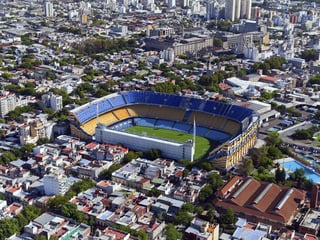
The passion and excitement of a South American football match is unlike any other. Experience the hussle and bustle from deep inside the crowds and get involved with the chants and cheers of the fanatical fans...
Read more
If you’re into all the thrills and spills of rollercoaster-rammed theme parks then you’ve got a world of choice at your fingertips. Any trip to South America and Mexico will lead you head on into ten of the biggest and the best...
Read more
Sign up to our newsletter
Be the first to know about our exclusive offers and holiday inspiration by email.