| |
Jan |
Feb |
Mar |
Apr |
May |
Jun |
Jul |
Aug |
Sep |
Oct |
Nov |
Dec |
| Average Temperature (Celcius) |
28 |
28 |
29 |
30 |
31 |
31 |
30 |
31 |
31 |
30 |
29 |
28 |
| Average Rainfall (Inches) |
3 |
1 |
1 |
1 |
2 |
4 |
6 |
6 |
7 |
7 |
8 |
4 |
Flight Information
Barbados holidays from Gatwick are available as direct flights taking approximately 8 hours, 30 minutes. Indirect flights may stop over in the US, in Miami or New York, with varying stop-over times. Our resorts are all within decent proximity to the airport. However, distances vary. Your hotel could be anywhere from a 5 minute to a 50 minute journey from the airport, depending on where you choose to stay and the time of travel.
If you have prebooked transfer arrangements with us you will be met on arrival by our Tropical Sky representative who will guide you to your transfer vehicle.
Time Difference
GMT -4 hours (-5 hours in summer)
Visa Requirements
No Visa is currently required for British or Irish passport holders for visits up to 6 months, however you are usually permitted entry for a maximum of 28 days. Passports must be valid for a minimum of 6 months from the return date to the UK. All travellers should check full entry requirements prior to travel by visiting the FCO website or by contacting the relevant embassy.
Weather
The Caribbean is subject to a hurricane season which is officially from 1 June to 30 November. However 80% of the stormy weather activity occurs within the August-October period with its peak usually being early-mid September. The centre of most storms miss the region moving off to the north, with others causing only minor disruption to weather conditions. However, there are usually a few each year that will pass through the region in hurricane force wind conditions.
Language
English is the official language although a Bajan dialect is locally spoken.
Currency
The Barbados Dollar is the local currency although US$ are usually accepted as are credit cards in hotels and many restaurants and shops.
Electricity
115/230V AC, 50 Hz, three-pin and two-pin plugs are standard.
Vaccination & Health
As health requirements change please consult with your GP or specialist travel clinic well in advance of your holiday for specific information related to your travel and medical history. Additional information can be found by visiting NaTHNaC or MASTA Travel health
Dialling Code
001-246
Location
This country is the most easterly located of the Caribbean islands sticking out into the Atlantic in isolation. It is located south of St Lucia and north of Tobago. The island has the best airline service from the UK with many carriers and frequent flights.
Transportation
Transport in Barbados mostly relies on its highly developed road network, with a vast range of public and private transport options available to help you see as much of the island as you desire.
By Taxi: There is a massive fleet of government regulated taxis available, offering convenient compromise between expense and freedom to roam without the stress of driving yourself. Cabs are not metered, and you can expect to pay around £12 an hour (though taxi drivers will take payment in US as well as Barbadian dollars, and are open to negotiation). Taxis on the island carry a distinctive ‘Z’ on their registration plates.
Buses: If you’re on a budget or if you simply want a more authentic local experience, the island’s buses are virtually cost free (about 50 pence per person). There are private (yellow) and government owned (blue) buses running across the island. The blue buses go farther and are generally more interesting for tourists, though a short journey on a yellow bus has its own, uniquely Bajan appeal.
Self Drive: Car rental is managed by a number of local companies and can be on the expensive side (Over £60 daily, as high as £250 per week), but the freedom it brings can be worth the cost. All you will need to drive on the island is a valid driver’s license and temporary visitor’s permit, available from the car rental agencies for a small fee.
Another option is bicycle and moped rental. You will have to pay a deposit (£30 to £60) but daily costs are only around £12-15, and considering rental cars are often not air-conditioned, you may have a less stuffy experience!
As a former British colony, driving here is on the left of the road, so visitors from the UK and Ireland will be right at home (though of course, two thirds of visiting tourists won’t be!). Speed limits are posted in km/h with a national limit of 80km/h (55mph) on the Highways and 60km/h (37mph) on minor roads. Specific lower limits are posted throughout urban areas. Please note also that at night-time the roads can be poorly lit.
By Alternative Means: It still possible to charter catamarans and yachts for tours with a full crew, and scheduled tours around the bays and inlets.
Travel from island to island is mostly achieved via plane, though a new ferry service to St. Vincent has recently started operating. However you choose to get around, your holiday here will surely be eventful!
Food and Drink
Food, like the life there, is diverse and exciting. Bajan food draws its influences from not only Africa, Europe and the wider Caribbean, but from Chinese and Indian cuisine. This betrays a tendency towards the spicy end of the taste spectrum, and Bajan Seasoning is a fine mix found in many local dishes. Even the fast food options are typically accompanied by local sauces and seasonings.
Seafood is a common component of many meals and you’ll find flying fish in a popular ‘Bajan Macaroni Pie’ and ‘Flying Fish cutter’ (a delicious fish sandwich). The national dish of ‘Cou Cou and Flying Fish’ is a Barbados holiday essential. Cou Cou comprises of okra, cornmeal, salt, pepper and Bajan hot sauce. You’ll still find plenty of other meats and milder options on the island as well.
Your Bajan experience will most likely be toasted with rum: there are many dedicated Rum bars and three dedicated distilleries. Mount Gay Rum is, as far as historical records reveal, the oldest rum company in the world and its distinctive taste is a local favourite.
Dining out is not especially expensive. Typical mid-market restaurants cost between £6 and £15 per head, with fast food options costing about the same as the British high street and the best restaurants running upwards of £15. It’s important to note that restaurants open late for Breakfast (9am), if they offer Breakfast at all.
Festivals & Events
Each November the fantastic Food & Wine & Rum Festival brings many of the best Bajan chefs to one location for a great opportunity to taste some scrumptious culinary delights.
November also brings the Independence Day celebrations featuring fireworks, light displays and an arts festival showcasing musical and theatrical talent from across the country.
January brings the Horticultural Annual Show is a great chance to see some of the country’s most exotic flowers and plants in one place. You can also hear live music by the Royal Barbados Police Band.
March through July is Holders Season, a fantastic boutique festival featuring theatre, comedy, jazz, blues, and classical music. This is considered one of the most unique and exciting festivals of its kind.
From July through August, Bridgetown is host to the Crop Over Festival, celebrated at the end of the Sugar Cane season it is a grand celebration featuring calypso dancing through the streets, a colourful parade and local delicacies.
Shopping
One of the highlights of shopping in Barbados is the tax free centres which allow for some fantastic deals on many items. The shopping experience on the whole is very enjoyable and shopping here is considered a highlight for many visitors. Broad Street in Bridgetown is the main shopping drag. In particular, Cave Shepherd is a local and tourist favourite. For tax/duty free shopping ensure you bring your passport or airline ticket. Note: there are two prices on the tags: local price and duty free price. The duty-free price is generally the lower of the two. Alternatively, a plethora of roadside fruit stalls offer some great deals on fresh local fruit.
Beaches
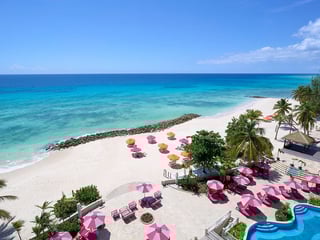
The bajan beaches are its greatest natural resource. The coastline is about 60 miles (97 kms) in length and composed of coral sand. Its beaches vary depending on location.
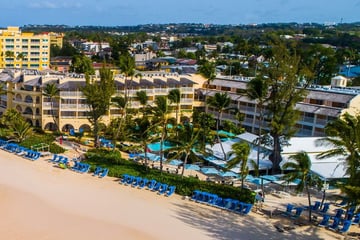
On the West Coast the ocean is at its most tranquil, making it ideal for everything from jet skiing to rowing to scuba diving and snorkelling. These beaches are very popular and also quite busy.
The South Coast is the most versatile. Consequently, tourist activity is concentrated here, and in areas like St. Lawrence Gap, you’d find the widest selection of restaurants and bars on the island.
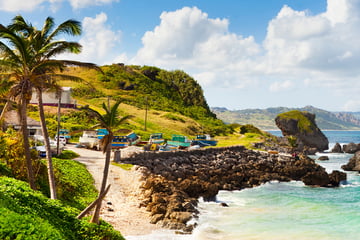
Meanwhile, the East Coast beaches are popular with surfers and walkers enjoying its rocky scenery. However, the coral fringe here is the last stop before Africa out over the Atlantic, and the East Coast can be dangerous. Note: Swimming is not advised - strong currents can prove deadly to even the most experienced swimmers.
The North Coast is the smallest. These tall cliffs make public access to the beaches difficult but not dangerous: head here if you want to see Barbados at its most dramatic, take a picnic or have an energetic stroll. As with the East coast, note that swimming is most certainly not advised. Conditions for surfing are reportedly good at North Point Cove.
Sport
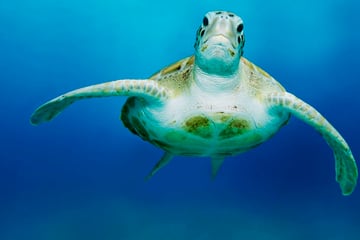
Sport is very popular so if you’re a fan, whether as a spectator or participant, there’s something here for you to enjoy. Scuba diving and catamaran sailing are a great way to explore the waters and bays surrounding the island and even get close to some of the sea turtles that live nearby. Other exciting local water sports and more extreme sports include paragliding and windsurfing.
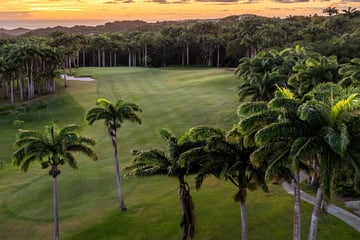
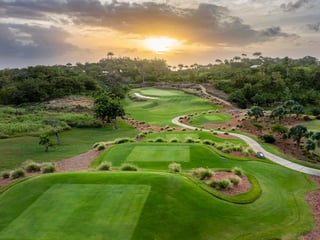
Cricket is a favourite throughout the Caribbean both as a spectator and participant sport and Barbados is no exception. You’ll find many opportunities to catch a game while you’re here. Golf is also very popular and as a result you’ll find some truly breathtaking courses and country clubs dotted around the island. Horse racing is fun for the whole family with many participants enjoying the rush of the race, and some getting involved by laying down a small wager. No matter what sport interests you there are likely to be opportunities for you to get involved with it here or simply watch a game under the warm sun and blue skies.
Nightlife
The Bajan nightlife is one of the island’s true highlights. The celebratory nature of the Barbadian people is evident in a plethora of clubs, bars, and theatres that swing open their doors when the sun goes down and invite you in with a smile. Jazz and reggae nightclubs can be easily found alongside wine and sports bars. Alternatively, you can catch a live theatre or opera or find one of many luxurious restaurants and enjoy the local delicacies and tantalising flavours of the Caribbean amongst friendly, joyful locals. The nights here are as exhilarating as the days. Be sure to taste some of the fantastic local rum!
People & Culture
Religion: Primarily Christian with smaller communities practicing Hinduism, Islam, and Judaism. A growing number of people practice the Rastafarian religion.
Barbados was once a British Colony inhabited by the English and an abundance of West African slaves brought over to run the sugar cane industry. In 1966 this country achieved full independence but continued to run the plantations. The Bajan culture rose out of the slave trade into a fusion of English and West African traditions creating a fantastic multicultural spirit and understanding. While many cultural, race, and religious variations remain, the primary identity of is strongly and universally Barbadian. The people are highly spiritual and incredibly hospitable, friendly, and open. They are easily some of the most welcoming and joyful people you will ever meet. The beauty of the beaches is one thing, but the reason many visitors extend their stay is simple: it’s the people.
Tourist Board
For further information visit the Barbados Tourist Board.