7 nights
From
£2,039
pp

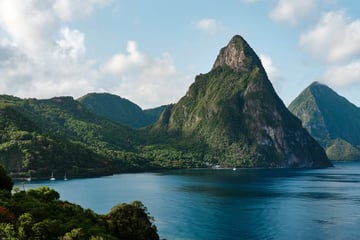
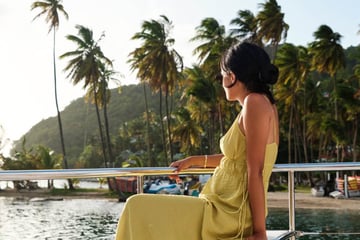
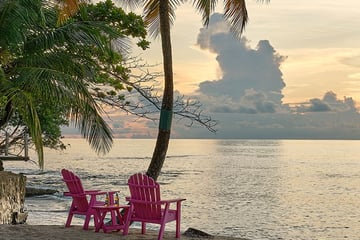


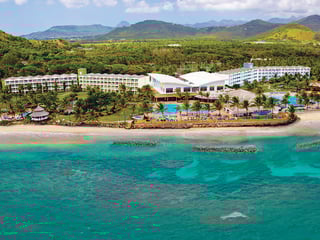
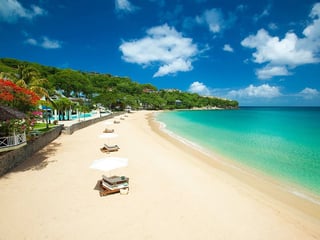
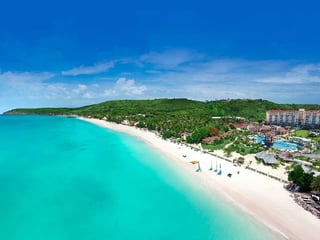
Sitting in between the Caribbean Sea and the Atlantic Ocean, St Lucia boasts both an enviable location and 98 miles of luscious coastline – the true definition of Caribbean paradise. One of the most visually stunning Caribbean islands, St Lucia is decadently decorated with rolling verdant hills and circled by a ribbon of velvet beaches, the island boasts pristine sand and lush tropical rainforests, home to a wealth of wildlife.
St Lucia is also one of our most popular wedding destinations. Click here for more details of our wedding packages.


Located in the eastern Caribbean, St Lucia – with 98 miles of coastline – is a postcard-perfect island paradise. Even inland, the lush tropical rainforests and twin volcanic peaks of the Pitons, which soar 2,500ft into the sky, make for an idyllic island experience.
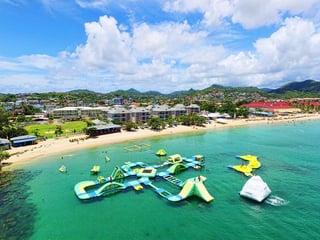
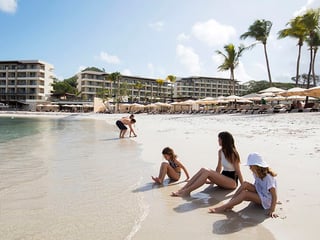
Of course, St Lucia is a wonderful place for all kinds of holidays. If you want a family holiday, an all-inclusive, a honeymoon, or just want an adult-only break for some well-earned peace and quiet, this eastern Caribbean location has a holiday to suit your needs. There are so many ways to discover Saint Lucia: you can explore the local culture, take part in ocean water sports, or just watch the world go by with a relaxing beach holiday – St Lucia has something for everyone, and there's no surprise it's one of the best destinations for returning guests.
The unique culture of the island’s 174,000 inhabitants is a result of its French and British colonial history, mixed in with that of the indigenous people – and this melting pot is behind many of the islands delights: from amazing food to the fabulous carnivals, Saint Lucia is a truly fabulous holiday destination.
For active holidaymakers, there are activities on land and sea, making the most of the islands obvious strengths – from trekking, or riding the sky tram, in the rainforest to scuba diving and windsurfing, you’ll find the lot. The famous Piton volcanic peaks tower over the south of the island and make for a wonderful adventure, too. Or why not drive into the crater of the island’s other volcano, La Soufriere.
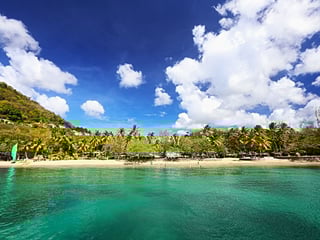
Of course, there are the beaches: Anse Chastanet Beach is one of the most picturesque stretches of sand in the whole of the Caribbean. Rodney Bay attracts the crowds, and Choc Bay is for the quieter beach experience. For a truly secluded beach, try Marigot Bay on the western coast of the island: or head south, as most of the southern coast’s beaches can only be reached by boat. You won’t be disappointed – they are all black volcanic sands, romantic hideaways, and perfect for water sports like snorkelling and diving, and those views of the Pitons.
In the middle of summer, July brings the Saint Lucia Carnival, a grand and exciting celebration featuring St Lucian art displays, cultural music and dance, great food, community and a fantastic parade to top it all off.
If all these attractions are not enough to persuade you, then St Lucia’s markets sell locally made silk screened fabrics, art, straw weavings, pottery and wood carvings from the many local arti'sts, and there is a great art gallery too. The island is even great for a multi-centre holiday as it boasts two airports, opening up travel possibilities to all of the Caribbean and beyond.
What is the best time of year to go to St Lucia? We really enjoy the high season between mid-December and mid-April, as this is when the island is at its sunniest. If you want to escape the crowds, the 'wet' season from June to November is still a lovely time to go, but it will be quite hot and humid.
Why visit St Lucia?
Inspired? Tropical Sky also arranges Caribbean holidays in other destinations including Barbados, Mexico, Jamaica, Antigua, Bahamas, British Virgin Islands, Dominican Republic, Grenada, Grenadines, Cuba, Tobago, Cayman Islands, Aruba, Anguilla and St Kitts and Nevis.
St Lucia tourism tax
A mandatory government ‘Tourism Tax’ will be applied nightly to all hotel guests staying on the island. It is payable directly to the hotel and will either be applied to your hotel room account or may be included in your overall holiday cost, depending on the hotel (this will be confirmed to you when you book your holiday with us). The amount you will be charged is $6 USD per adult per night and $3 USD per child per night aged 12-17yrs. The levy does not apply to children under 12 years old.
Please note that this tax is not optional and is subject to change. This must be paid by all guests, regardless of nationality.

Sign up to our newsletter
Be the first to know about our exclusive offers and holiday inspiration by email.