
Highlights of Japan
Discounts included in advertised prices.
13 nights
From
£3,169
pp

Ask any of our returning Japan clients what stayed with them longest after their trip, and it's rarely the temples or the neon skylines. It's the food. There's a reason "food tourism" barely covers it in Japan, eating your way around the country isn't a side activity, it's the main event.
We've been sending UK travellers to Japan for years, and our team has clocked up more hours in ramen counters, standing-room yakitori bars and conveyor belt sushi joints than we'd probably like to admit. What follows isn't a generic "must-try foods" list scraped together from guidebooks. It's the dishes we genuinely think about when we're back home in Britain, wishing we could nip out for a proper bowl of tonkotsu ramen. If you're planning a holiday to Japan and want to eat like a local rather than a tourist, here's where to start.
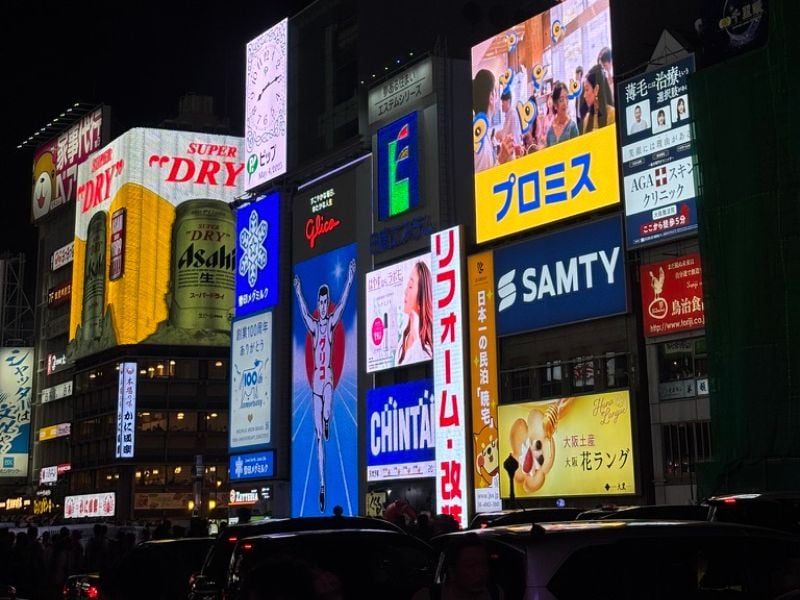
Don't be a food snob about the convenience store. In Japan, the konbini (7-Eleven, Lawson, FamilyMart) is a genuine culinary destination, and skipping it is one of the most common mistakes first-time visitors make. The egg sandwiches (tamago sando) are absurdly good, pillowy milk bread with a rich, almost custardy egg mayo filling that somehow tastes better than it has any right to at 2am after a long flight. Grab an onigiri (rice triangle wrapped around salmon, tuna mayo or pickled plum), a portion of fried chicken (karaage) still warm from the hot cabinet, a small tub of tangy cucumber salad, and if you're near a Lawson, hunt down their custard-filled taiyaki (fish-shaped cake) for dessert. We always tell clients: your first stop off the plane should be a konbini, not a restaurant.
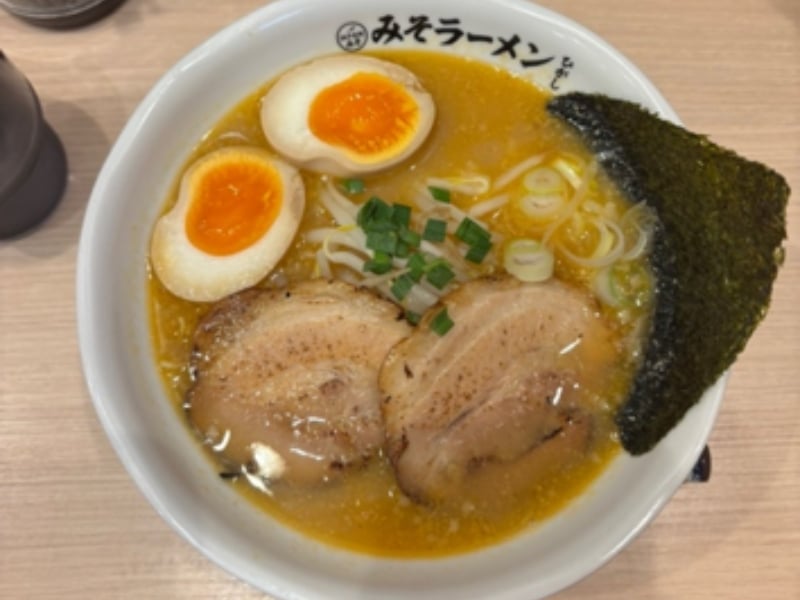
Ramen isn't one dish, it's a whole regional map of them. In Hakata (Fukuoka), tonkotsu ramen rules: a milky, collagen-rich pork bone broth with thin, firm noodles designed for quick refills, best eaten at one of the city's famous yatai food stalls along the riverside. Head north to Sapporo or Tokyo and you'll find miso ramen, with its deeper, savoury-sweet broth and often a knob of butter and sweetcorn. For something drier, try mazesoba (or "abura soba"), noodles tossed in a concentrated sauce rather than served in broth, a Nagoya speciality that's become a cult favourite across the country. Our Japan Express: Osaka to Tokyo tour is a great way to sample regional variations as you move between cities.
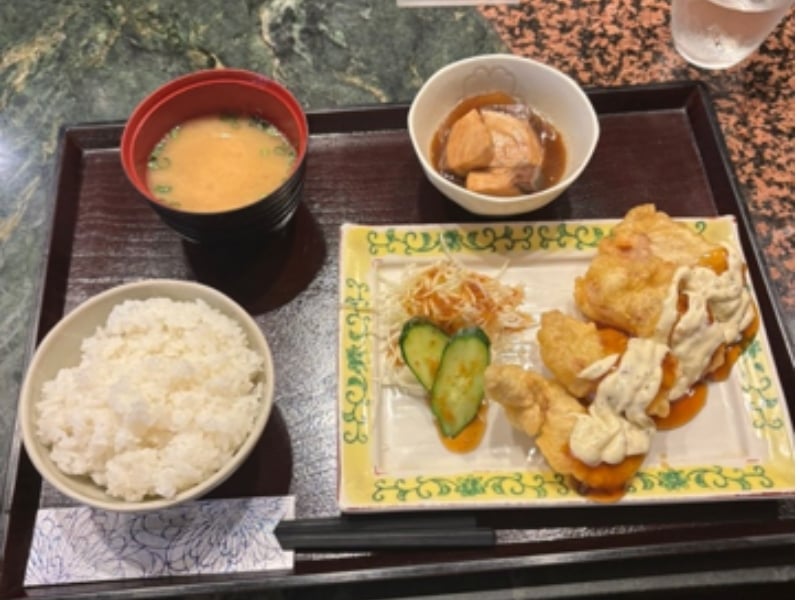
If you want to understand how Japan actually eats day to day, order teishoku. It's a set meal, a main dish (grilled fish, pork, beef or chicken) arranged on a tray alongside a bowl of rice, miso soup and two or three small side dishes (pickles, simmered vegetables, tofu, or a portion of karaage, Japan's beloved soy-and-ginger marinated fried chicken). Every neighbourhood diner (teishoku-ya) has its own version, and it's astonishingly good value for the quality on offer. It's the meal we recommend most for travellers who want a proper, balanced, no-fuss lunch between sightseeing stops. Order at the vending machine, hand over your ticket, and let the kitchen do the rest.
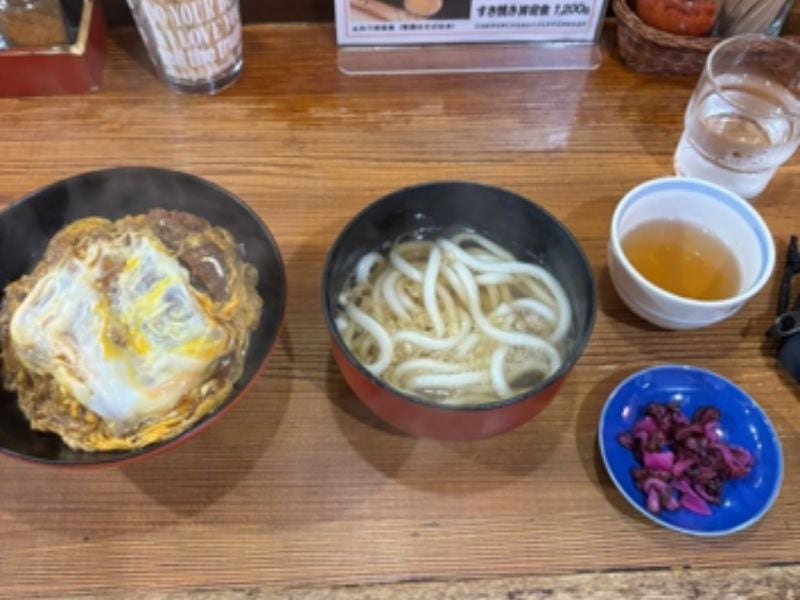
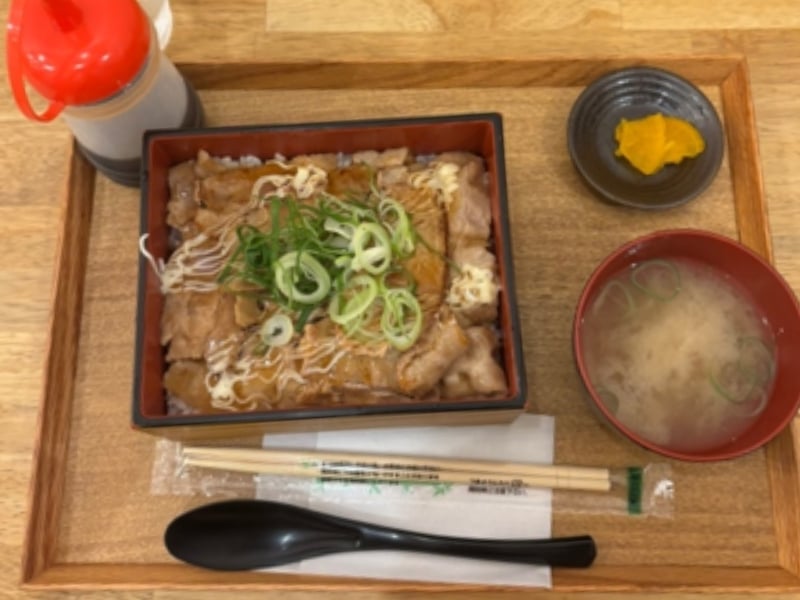
Donburi, or "don bowls," are rice topped with something delicious, and they're the backbone of Japanese fast-casual eating. Katsudon is a breaded pork cutlet simmered in egg and savoury dashi, served over rice: comforting, slightly messy, and genuinely one of our favourite lunches anywhere in Japan. Butadon, popular in Hokkaido (particularly Obihiro), swaps the crumb for thin slices of grilled pork glazed in a sweet-savoury sauce. Both are quick, filling, and available everywhere from train station kiosks to sit-down restaurants.
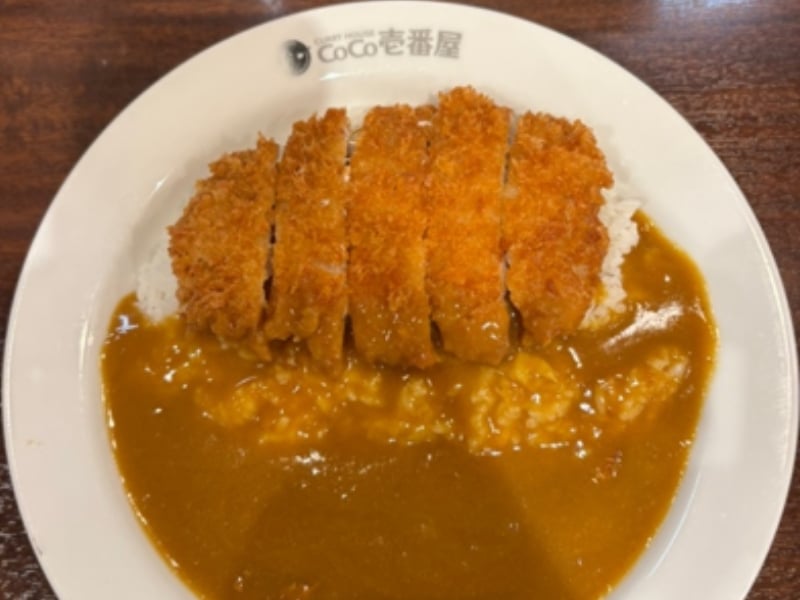
Japanese curry is milder and sweeter than its Indian cousin, thickened into a glossy, almost gravy-like sauce, and chicken katsu curry: a crumbed, fried chicken cutlet sliced and laid over curry-soaked rice is the version most UK travellers fall for immediately. CoCo Ichibanya, Japan's biggest curry chain, is the place to learn the ropes: you choose your spice level (they go up to a fierce level 10), your rice portion and your toppings from an iPad menu, making it one of the easiest and most satisfying meals for anyone still finding their feet with Japanese menus.
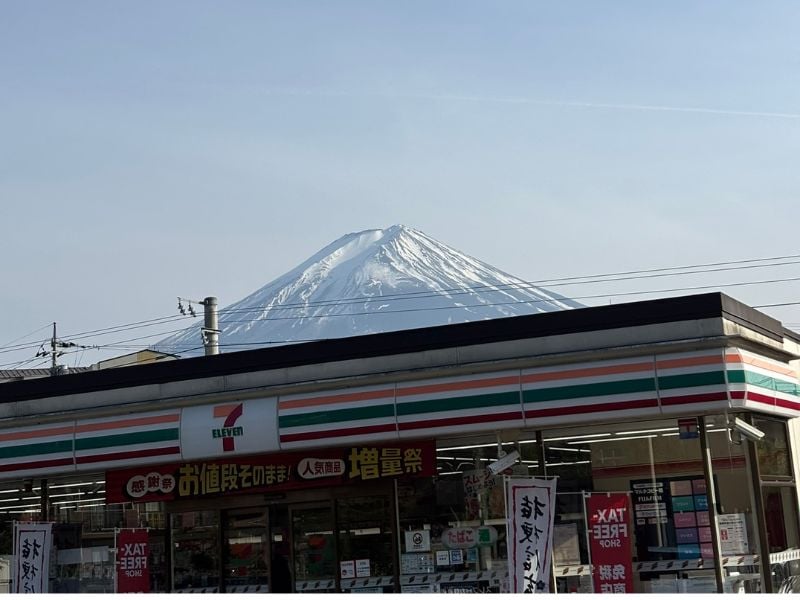
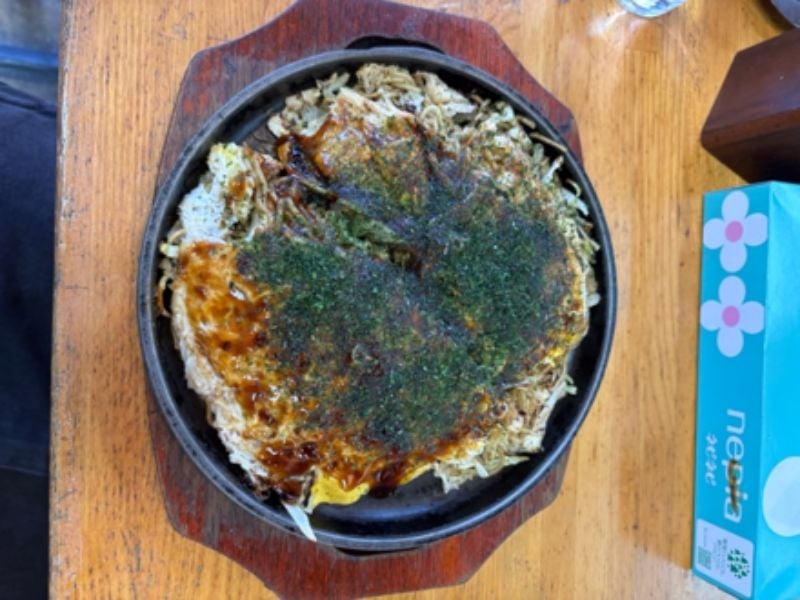
Often translated as a "Japanese savoury pancake," okonomiyaki is really its own thing — a batter of flour, egg and shredded cabbage, cooked on a griddle and topped with your choice of pork belly, prawns or squid, then finished with okonomiyaki sauce, Kewpie mayo, bonito flakes and dried seaweed. Osaka is the undisputed home of it, and Hiroshima has its own distinct layered version with noodles built in. Head to Osaka's Dotonbori district, order it cooked table-side on a teppan hotplate, and you'll understand why locals consider it comfort food of the highest order. Our Highlights of Japan tour spends time in both Osaka and Hiroshima, so you can compare the two versions for yourself.
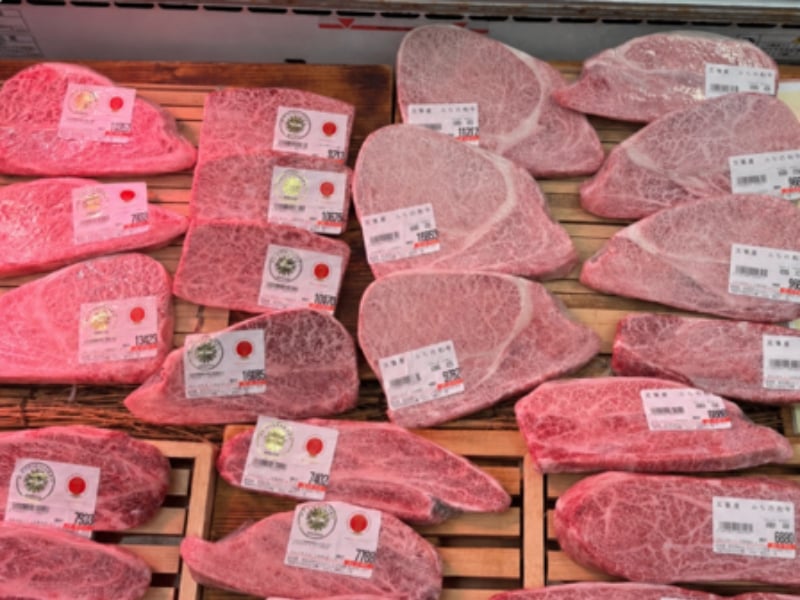
Wagyu needs little introduction, but the reality of eating it in Japan still surprises people, the marbling is so fine that a small portion, grilled or seared for mere seconds, can be genuinely one of the richest things you'll ever eat. Kobe beef is the most famous designation, strictly regulated and traceable back to individual cattle, but it's worth trying regional varieties too. Matsusaka and Omi are equally prized among those in the know. For a proper introduction, seek out a teppanyaki restaurant where a chef cooks it in front of you, or explore a local market (Nishiki Market in Kyoto is a favourite of ours) where you can try a skewer without committing to a full sit-down meal.
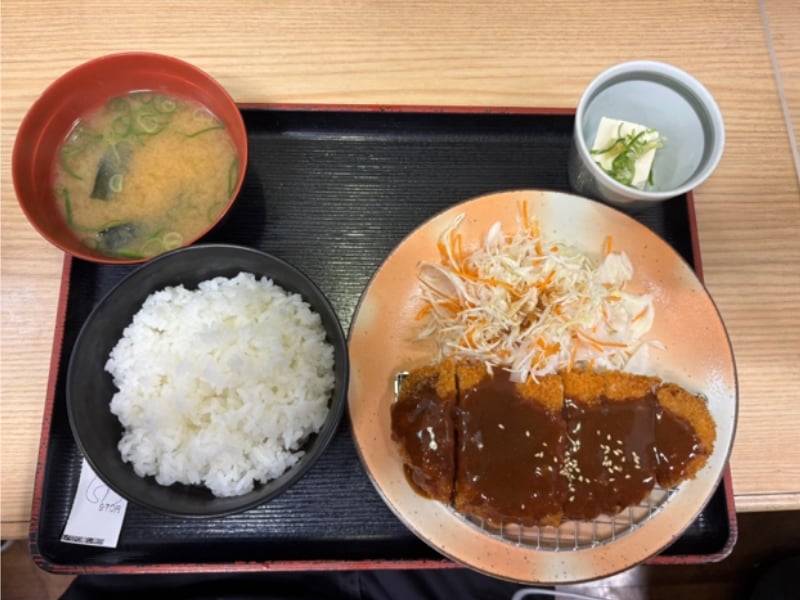
Tonkatsu is deceptively simple on paper: a thick-cut pork loin or fillet, breaded in coarse panko breadcrumbs and deep-fried until deeply golden and audibly crisp, but done properly, it's one of the most satisfying meals in the whole country. The best tonkatsu-ya (specialist restaurants dedicated to the dish alone) are fanatical about their pork, often naming the breed and region on the menu, and the cutlet is served whole and pre-sliced into strips so it's easy to dip into the accompanying tangy, Worcestershire-style tonkatsu sauce. It comes with a mountain of finely shredded raw cabbage (there for balance, and usually refillable), a bowl of rice and a small miso soup. Tonkatsu tends to be very forgiving for fussier eaters and children, which is why it's such a reliable order on our family-friendly itineraries. Look out for regional variations too, Nagoya's miso katsu, served with a rich, slightly sweet fermented soybean sauce, is well worth seeking out if your route takes you through the Chubu region.
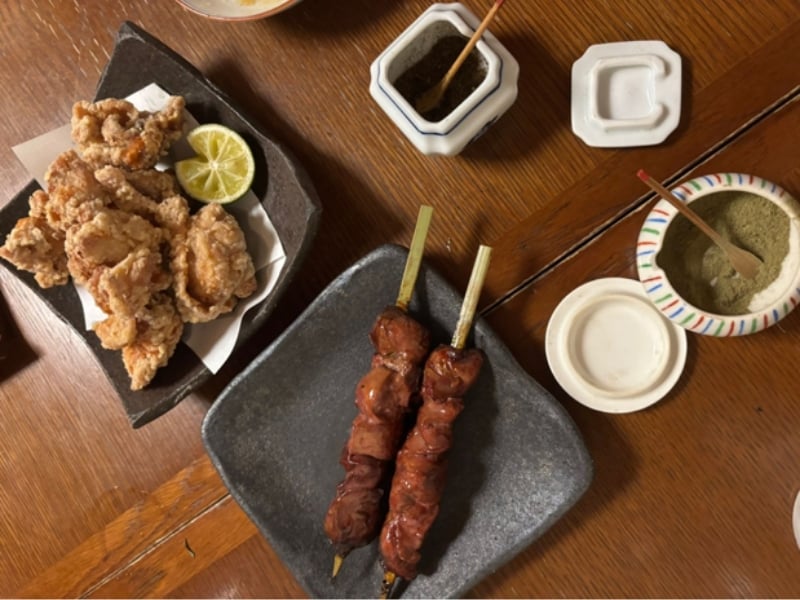
If tonkatsu is a considered, sit-down meal, yakitori is the opposite - informal, smoky and built around the ritual of the evening itself. Bite-sized pieces of chicken are threaded onto bamboo skewers and grilled over binchotan charcoal, which burns hotter and cleaner than standard charcoal and gives the meat a distinctive, slightly sweet char. Traditionally, nothing goes to waste: alongside thigh (momo) and skin (kawa), you'll find skewers of liver, cartilage and heart on a proper yakitori menu, seasoned simply with either salt (shio) or a sticky soy-based tare glaze. It's best eaten standing up, ordered a few skewers at a time, in one of the atmospheric alleyways that Japan does so well - Tokyo's Yurakucho, tucked beneath the railway arches, and the tiny, lantern-lit lanes of Omoide Yokocho ("Memory Lane") in Shinjuku are two of our favourites, both loud, smoky and unmissable with a cold Japanese beer in hand.
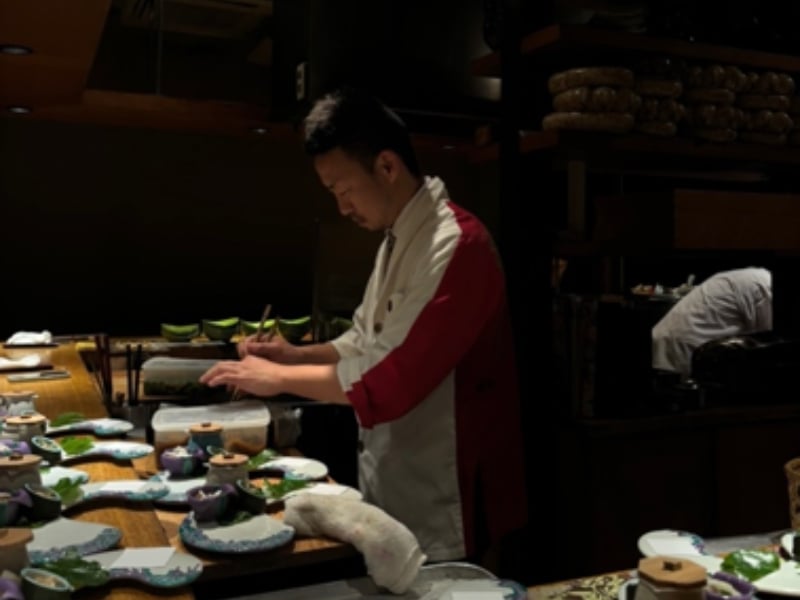
Omakase means "I'll leave it up to you". You sit at the counter, and the chef decides what you eat, piece by piece, based on what's freshest that day. It's most associated with sushi, and a proper omakase sushi counter (particularly in Tokyo's Ginza or the restaurants around the old Tsukiji outer market) is one of the most memorable meals you can have in Japan: pared back, precise, and built entirely around the chef's judgement and the season's best catch. It isn't cheap, and it isn't the place to be in a rush, but for one meal on your trip, it's worth letting go of the menu entirely and trusting the person behind the counter.
Japan rewards travellers who are willing to wander off the main street and into the alley, the market or the counter with no English menu. That's exactly the kind of experience our tailor-made itineraries and escorted tours are built around, real local knowledge, honest recommendations, and the reassurance of booking with a team who've actually been there. Whether you want a rail-based adventure through Japan's Iconic Cities, a deeper regional exploration on our Japan by Rail tour, or a fully tailored trip built around your own food bucket list, our Japan specialists can help you plan it. Not sure when to go? Our guide to Japan's cherry blossom season is a good place to start, and you can also request our free Japan Travel Guide for more destination inspiration before you book.
Ramen and sushi are the dishes most associated with Japan internationally, but daily favourites like teishoku set meals, donburi rice bowls and konbini snacks are what most Japanese people actually eat most often. If you want to eat like a local, don't skip the humble convenience store.
It doesn't have to be. Ramen, donburi, konbini food and teishoku sets are genuinely affordable, often costing less than a similar meal in the UK. It's premium experiences like wagyu teppanyaki or an omakase sushi counter that carry a higher price tag, so a mix of everyday and special-occasion meals gives you the best of both worlds.
Japan's food culture shifts with the seasons, so honestly, there isn't a bad time to visit. Spring (March to May) pairs cherry blossom season with delicate seasonal dishes, autumn (September to November) brings mushroom, chestnut and sweet potato specialities, and winter is prime season for hot pot dishes like sukiyaki and shabu-shabu. Summer brings cold noodle dishes like hiyashi chuka that are perfect for the heat.
Not really. Many restaurants use ticket vending machines with photos, plastic food displays in the window, or picture menus, and konbini staff are used to tourists. A few basic phrases go a long way, but you won't struggle to eat well without fluent Japanese, it's one of the easiest countries to navigate as a food-curious traveller.
Osaka is widely considered Japan's food capital and is famous for okonomiyaki, takoyaki and street food culture, particularly around Dotonbori. Fukuoka (Hakata) is essential for ramen fans and yatai stalls, Tokyo covers pretty much everything at every price point, and Kyoto is the place for refined kaiseki dining and traditional tea culture. Ideally, a well-planned itinerary lets you sample all four. Ready to start planning your own Japanese food adventure? Speak to one of our Japan specialists today, or browse our full range of Far East & Asia holidays for more inspiration.

Sign up to our newsletter
Be the first to know about our exclusive offers and holiday inspiration by email.