
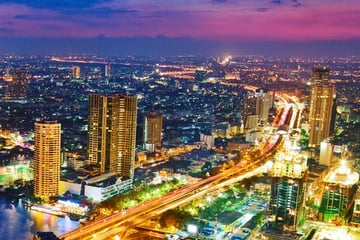
Travel Guide to Bangkok
HOLIDAY DEALS
SUMMER IN THE CARIBBEAN LaSource - Luxury Holidays with Tropical Sky

Grenada, 7 nts from £1,399

FREE Daily Spa Treatment Fly Virgin
4.5* LaSource
More Information>>

Travel Guide to Bangkok

Location

Bangkok sits on the southern border of the Thai mainland, bordered the Gulf of Siam, and just to the east of the start of the Thai peninsula.

Shopping

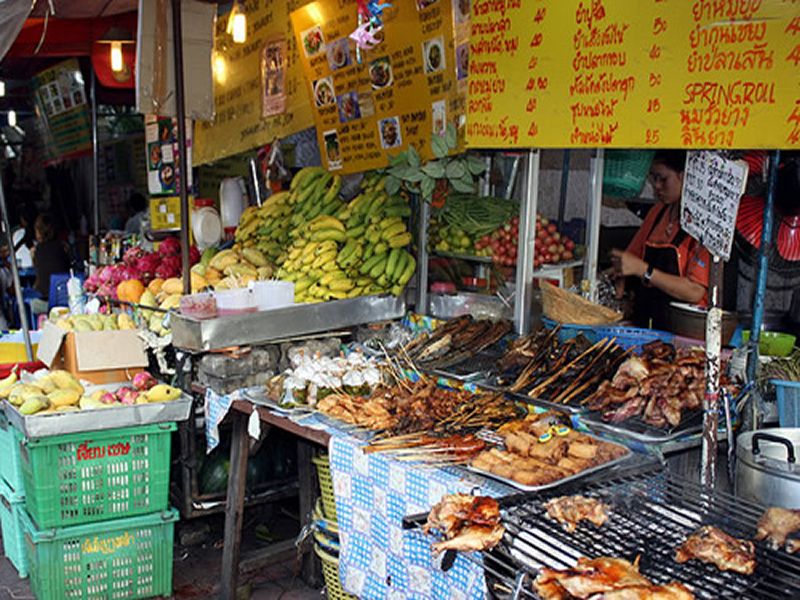
Bangkok is a burgeoning metropolis with numerous shops, stores, malls and markets. Almost every type of produce is available including many designer items, both real and fake. The main shopping areas are in the downtown district where hundreds of stores line the streets and there are several markets to choose from, such as the world-famous Thieves’ Market, the Chatuchak Weekend Market and the bazaar on Phahonyothin Road. Handicrafts and locally-produced traditional items are readily available everywhere and include Thai silk, gemstones – including rubies and sapphires, jewellery, ceramics, lacquerware, antiques, brass or silverware, kites and dolls.

Geography

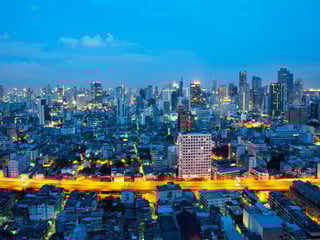
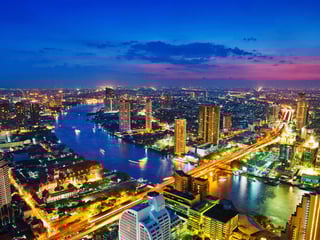
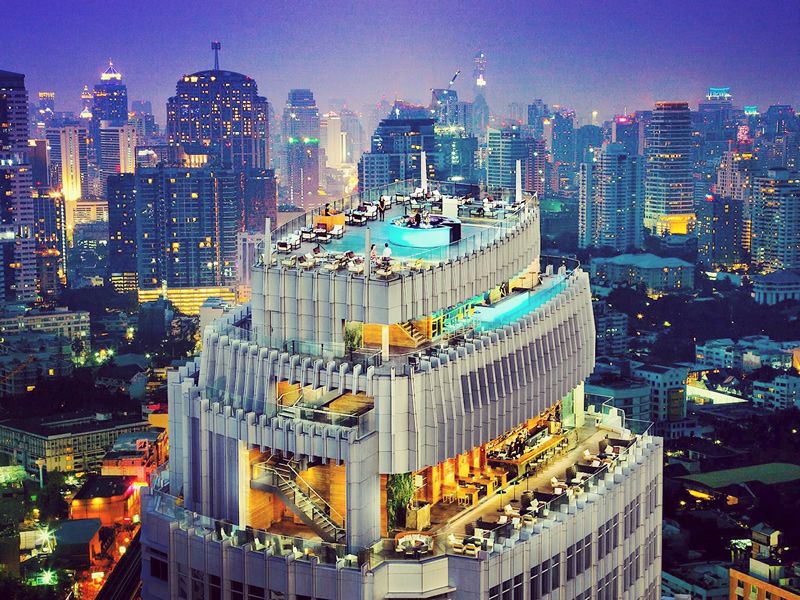
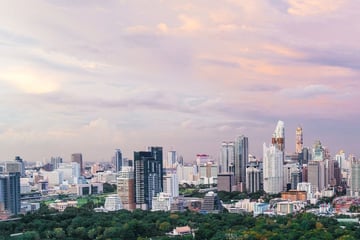
Situated on the eastern bank of the Chao Phraya River, the city of Bangkok spreads over 612 square miles of Southern Thailand. Constructed in the centre of the world’s most fertile delta, the city is riddled with waterways, canals and rivers. The city is divided into two sections, Old Bangkok and ‘New’ Bangkok. The former is home to temples, palaces and the Chinese and Indian districts while the latter is the hub of the business and residential areas with many tourist facilities and hotels.

History

Bangkok is a fairly young city in comparison to some other Asian capitals. In 1767, the Burmese invaded and looted the former Thai capital of Ayutthaya, forcing the Thais to establish a new city at the trading outpost at Thon Buri – just across the river from what is now modern-day Bangkok. In 1782, the first ruler of the Chakri dynasty, King Rama I, founded a new capital and Bangkok was born. The city burgeoned with new temples, city walls and a growing population. In the 19th century, King Rama III encouraged the building and usage of roads rather than the traditional waterway methods of transport, and opened the city to foreign influences. His successor King Mongkut (Rama IV), the man used as the inspiration for the regal character of the King & I, feared colonisation by the British and instead offered a trade agreement in exchange for political security. His son, King Rama V continued this peaceful ruling approach and attempted to modernise and civilise the city with schools, libraries, a post office and a museum. He also abolished slavery. In 1917, King Rama VI sent Thai military troops to France to support the Allies in WW1 and by 1920, King Rama VII had built a summer palace at Hua Hin. In 1932, a coup staged by government officials brought the end of absolute monarchy and the King’s position was relegated to just symbolic significance. From the mid 1960s, the city was chosen as an R&R retreat by troops fighting in the American/Vietnam war conflict and the area became one of the most westernised regions in Asia. Throughout the 1980s a huge boom in tourism ensured the city prospered and thrived until the 1997 economic crisis in Asia all but destroyed the Thai economy. The country is gradually regenerating and is currently in the grip of another economic boom.

Climate

J

F

M

A

M

J

J

A

S

O

N

D

Av Temp (F)

90

91

93

95

93

91

91

91

90

90

90

89

Av Temp (C)

32

33

34

35

34

33

33

33

32

32

32

31

Sunshine Hours

9

8

9

8

7

6

6

5

5

6

8

8

Rain (inches)

0

1

1

3

9

6

6

8

14

10

2

0


What makes it so special?

As one of the world’s most vibrant cities, there is something to interest everyone. There are plenty of ancient monuments, sites and buildings, museums and temples to explore as well as a vast range of entertainment, world-class shopping, buzzing nightlife and fantastic foods to taste.

Where to visit?

Fabulous temples and street markets are commonplace. Take a journey on the Skytrain for great city views and easy access to all of Bangkok’s major sights.

Take a boat trip or dinner cruise on the Chao Phraya River to experience the ‘Venice of the East’ from a different perspective.

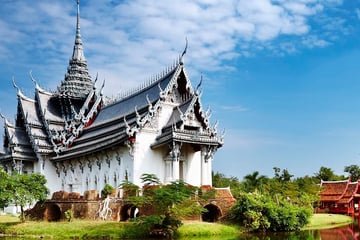
The Grand Palace is a stunning architectural masterpiece while Wat Phra Kaeo is home to the world-renowned Emerald Buddha. Other temple sites to explore include King Rama I’s Wat Mahathat, home to the Mahachulalongkorn Buddhist University, and Wat Pho, an extensive temple housing a giant, gold Reclining Buddha.

Bangkok’s China Town is a network of tiny streets and alleyways filled with trinket shops and bustling market stalls

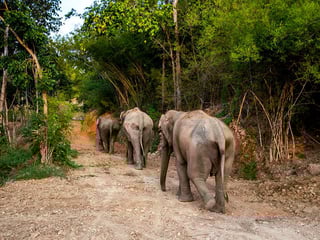
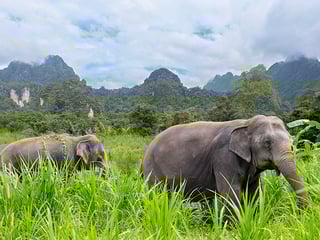
Just outside Bangkok, the Rose Garden provides extensive, well-kept gardens and the Thai Cultural Village offers displays of folk dancing, Thai boxing, sword fighting and elephant shows.

The Danmoen Saduak Floating Market is one of the most popular tourist attractions in Bangkok and gives visitor’s the opportunity to experience traditional Thai day-to-day life outside of the major cities.
Patpong is the most popular nightlife area of the city, with many bars and entertainment spots to while away the late night or early hours.

Most popular tours

Explore rural Bangkok by boat
Half and full day city tours
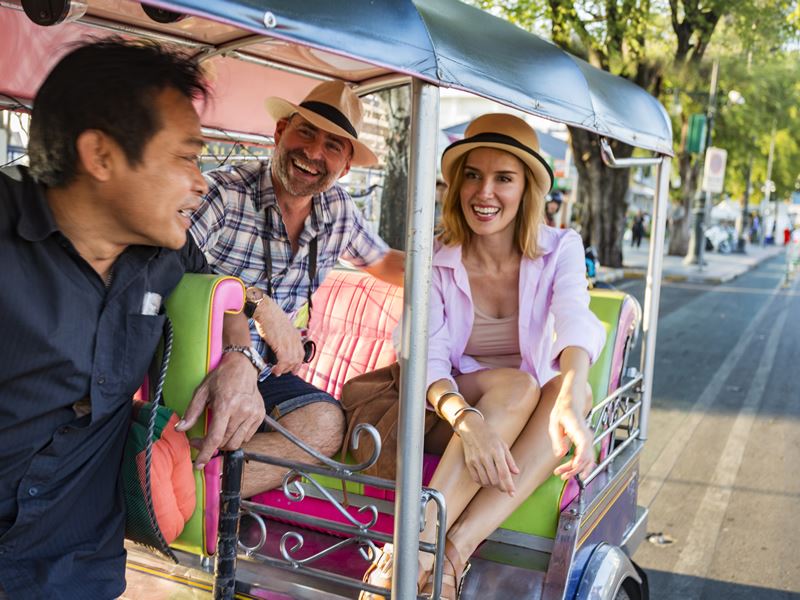
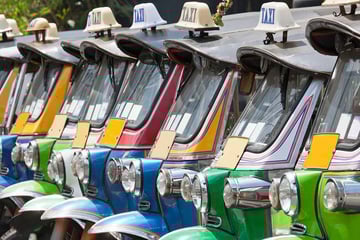
Tuk Tuk rides around the City
The Grand Palace
Danmoen Sadouk floating market
Rose Garden